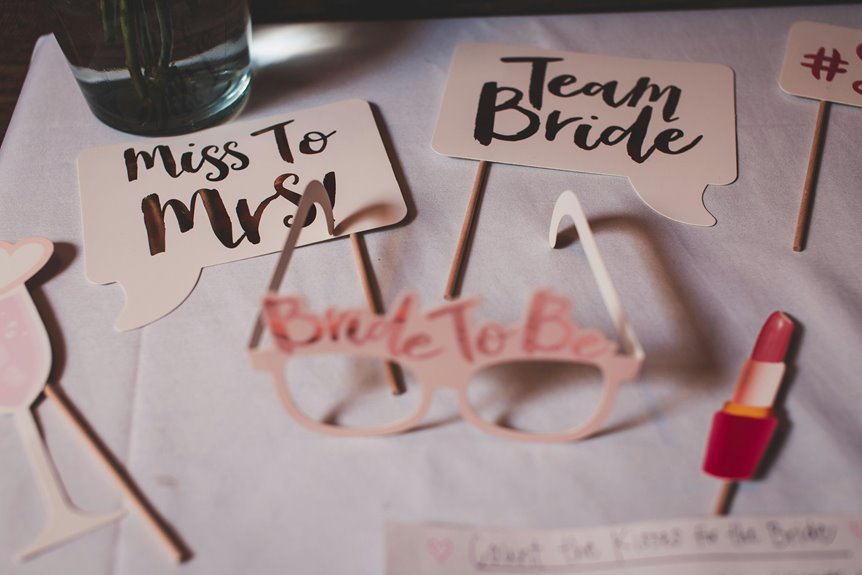
there really aren’t hard gender rules for women-only bridal showers—it’s totally up to what the couple wants. Traditionally, these showers featured intimate gifts and close female friends, but modern couples are mixing things up based on their actual preferences. The key is asking what makes *them* comfortable, not what some outdated etiquette book says you should do. Whether you go women-only, co-ed, or something else entirely, the real magic happens when you honor their vision over convention. Stick around to discover how to navigate family expectations and actually pull this off.
There Are No Hard Rules
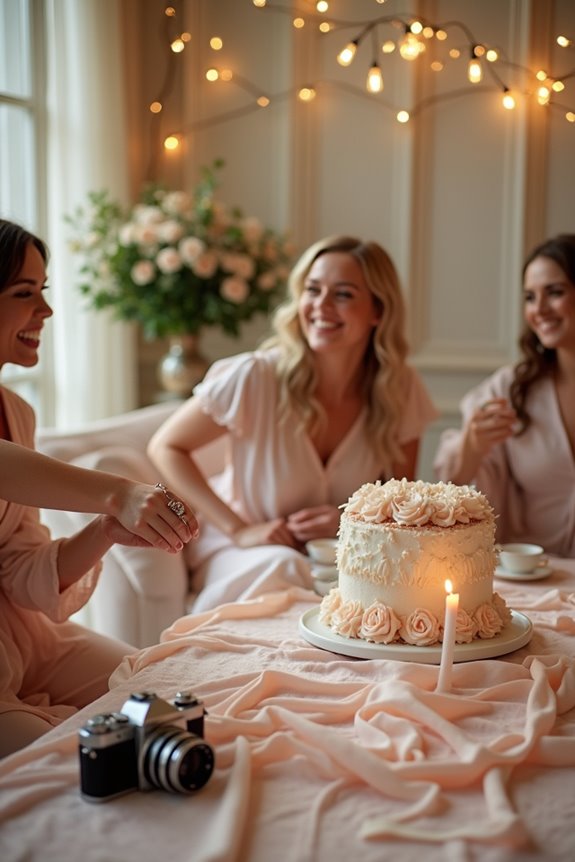
Why do so many of us assume bridal showers have to be women-only events? Honestly, there aren’t any hard rules dictating this at all. I’ve realized bridal shower etiquette varies widely based on what the couple actually wants, not tradition alone.
Modern practice has shifted considerably. Some hosts choose mixed-gender celebrations, while others prefer women-only gatherings for comfort and intimacy. Neither approach is wrong (I’ve attended both, and they were equally fun).
The key is understanding that your guest list should reflect the couple’s preferences, not outdated expectations. If you’re planning a shower, you have total freedom to include men, non-binary guests, or stick with a traditional format. The real etiquette rule? Simply ask the couple what they’d prefer rather than guessing.
What Traditional Bridal Shower Etiquette Actually Says
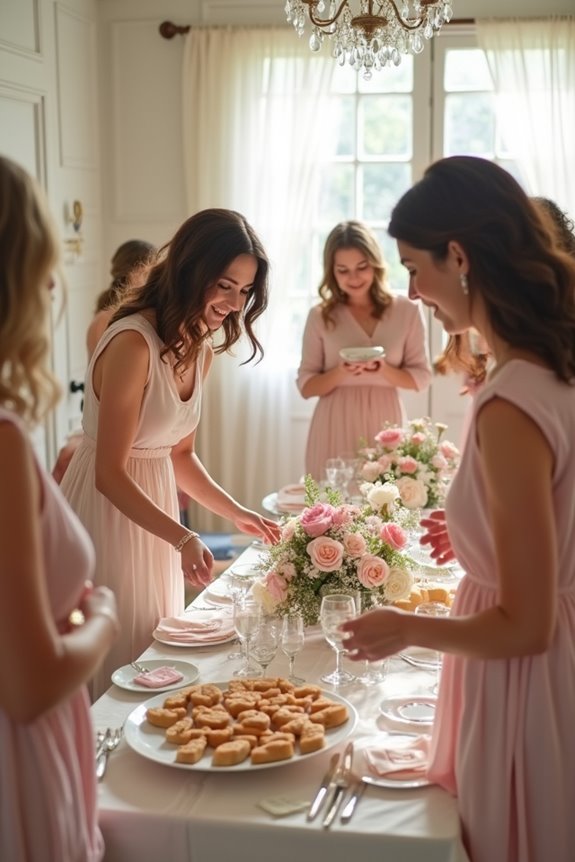
When I look at what the etiquette books actually say, traditional bridal shower rules are pretty straightforward: women-only guest lists were the standard, and gifts tended toward personal touches like lingerie, perfumes, or jewelry rather than household items from a registry. These historical guidelines developed because showers were seen as intimate celebrations in a woman’s inner circle, though I’ll be honest—they’re more like suggestions today than strict rules you must follow. The real takeaway is understanding where these traditions came from so you can decide whether to honor them, blend them with modern preferences, or skip them entirely for your own shower style.
Women-Only Guest Composition
How’d we end up with women-only bridal showers in the first place? Honestly, tradition ran deep. Historically, bridal showers centered on the bride’s closest female relatives and friends—think mom, sisters, and your ride-or-dies. Men weren’t typically invited because these gatherings focused on intimate moments and personal gifts (sometimes embarrassingly personal, if I’m being real).
That said, modern bridal showers don’t follow rigid rules anymore. I’ve seen couples embrace mixed groups or fully gender-inclusive celebrations because what matters most is the bride’s comfort level. The key? Align your guest list with what the couple actually wants, not what etiquette textbooks demand. Skip the assumptions and just ask them directly about their preferences.
Personal Gift Traditions
Here’s what I’ve noticed: these personal gifts create an intimate atmosphere that matches the women-only setting. They’re typically smaller, more thoughtful items that spark conversations during gift opening (which, let’s be honest, can get entertaining).
The key rule? Skip registry items entirely. You’re not duplicating wedding gifts—you’re giving something uniquely hers. This distinction honors the traditional bridal shower’s purpose: celebrating the bride as an individual, not just someone getting married.
Historical Etiquette Standards
Why do we even have these rules? Honestly, traditional bridal shower etiquette emerged when women needed their own space—literally and socially. Back then, showers were exclusively female events where the bride received personal gifts and emotional support from her closest women. This gender separation wasn’t arbitrary; it reflected societal norms about propriety and celebration styles.
Today’s bridal shower etiquette has loosened considerably. While some folks still prefer women-only gatherings honoring that historical tradition, others embrace mixed-gender celebrations. The real rule? Respecting what the bride actually wants. I’ve seen beautiful women-only showers filled with laughter and genuine connection, and equally wonderful co-ed events. Your shower doesn’t need to follow outdated scripts (thank goodness). Instead, you’re creating your own tradition—one that genuinely reflects who you are and who matters most to you.
How Modern Couples Are Redefining Shower Traditions
Gone are the days when bridal showers meant exclusively female guests playing dress-themed games while the groom stayed home (or did whatever grooms did back then). Today, I’ve seen couples completely flip the script. Many opt for co-ed celebrations that actually reflect who they are. Some host couples’ showers where both partners are equally celebrated. Others go gender neutral by inviting whoever matters most to them—regardless of traditional expectations.
What I’ve learned is that redefining traditions doesn’t mean abandoning showers altogether. Instead, it means tailoring activities and gifts to the couple’s interests rather than strict gender norms. Think experience-focused games or couple-centered activities instead of predictable dress competitions.
The key? Clear communication. Ask the couple what they want. Inclusive language and genuine interest in their comfort level matter more than rigid etiquette rules ever did.
Women-Only vs. Mixed-Gender: Which Works for You?
When you’re deciding between a women-only or mixed-gender shower, your comfort level and what feels right for your relationship should guide the choice—because frankly, a shower where you’re stressed about the format won’t be fun for anyone. A women-only shower often creates that cozy, intimate vibe where you and your closest friends can relax without worrying about impressing anyone (no one’s judging your games or stories), while a mixed-gender approach lets your partner’s loved ones celebrate with you and can actually make the whole thing feel more inclusive and less awkward if your fiancé has strong friendships in the group. Think about your guest list: do your friends and family mix comfortably together, or would separating by gender create a more genuine, relaxed atmosphere where people actually want to be there?
Comfort and Personal Preferences
The choice between a women-only bridal shower and a mixed-gender celebration really comes down to what makes you—and your bride—feel most at ease. I’ve seen brides light up at the thought of intimate games with their closest friends, while others dreaded being the center of attention during gift-opening. Some worry that shower games feel awkward without men present; others find mixed crowds make those same activities flow naturally.
Here’s what matters: skip the guilt about tradition. If your bride craves that close-knit, women-only vibe for vulnerability and inside jokes, honor that. If she’d rather her partner and friends mingle comfortably, go mixed-gender. Your comfort planning this event counts too. Trust your instincts about what feels right for your specific crowd.
Guest Dynamics and Intimacy
How you structure your guest list shapes everything about what happens during the shower—from who feels comfortable speaking up to what kinds of activities actually work. Women-only settings create intimate guest dynamics where people often open up differently than they might in mixed company. You’ll notice conversations flow toward personal topics more naturally, and the bride feels less pressure performing for partners or relatives she’s just met (awkward, right?). Mixed-gender showers broaden your circle but require activities everyone enjoys equally. Consider what intimacy level you’re after. Do you want deep conversations about marriage fears? A women-only shower delivers that. Want inclusive fun with both partners present? That works too. The key’s matching your guest dynamics to the vibe you’re actually hoping for.
Why Some Couples Still Choose Women-Only Celebrations
Despite the rise of co-ed showers, many couples deliberately opt for women-only celebrations—and honestly, there’s real substance behind that choice. I’ve seen firsthand how these gatherings create space for genuine connection.
Women-only showers create genuine connection and space for the bride to be her authentic self without performance.
Here’s why women-only formats still resonate:
- Comfort and authenticity – Without mixed company, guests share more openly and feel relaxed being themselves
- Personal gift focus – Intimate items and meaningful presents flow naturally without awkwardness
- Tradition and belonging – Many cultures and families value this time-honored format for continuity
The bride often treasures these moments because she’s surrounded by her closest circle—no performance required. It’s about vulnerability and bonding, not exclusion. When you’re planning your shower, consider what matters most: the energy you want to create and the intimacy level you’re seeking.
When Both Brides (or Non-Binary Partners) Are Involved
When you’re celebrating two brides or non-binary partners, the traditional women-only shower format gets a little more complicated—and honestly, that’s where your couple’s actual preferences matter way more than any etiquette rulebook.
I’ve found that breaking bridal shower gender norms means asking the couple directly: Do they want a ladies-only event, or would they prefer mixed guests? There’s no “right” answer here—it’s purely about what makes them comfortable.
| Celebration Style | Guest Mix | Best For |
|---|---|---|
| Ladies-only | Same-gender friends | Intimate, traditional vibes |
| Co-ed | All preferred guests | Inclusive, modern approach |
| Dual showers | Customized per partner | Honoring individual preferences |
Treat both partners equally throughout—same attention, same spoiling, same fun. Avoid positioning one person as “the bride,” since you’re celebrating two people stepping forward together. That shift alone transforms the whole event.
Benefits of a Women-Only Shower: Intimacy and Comfort
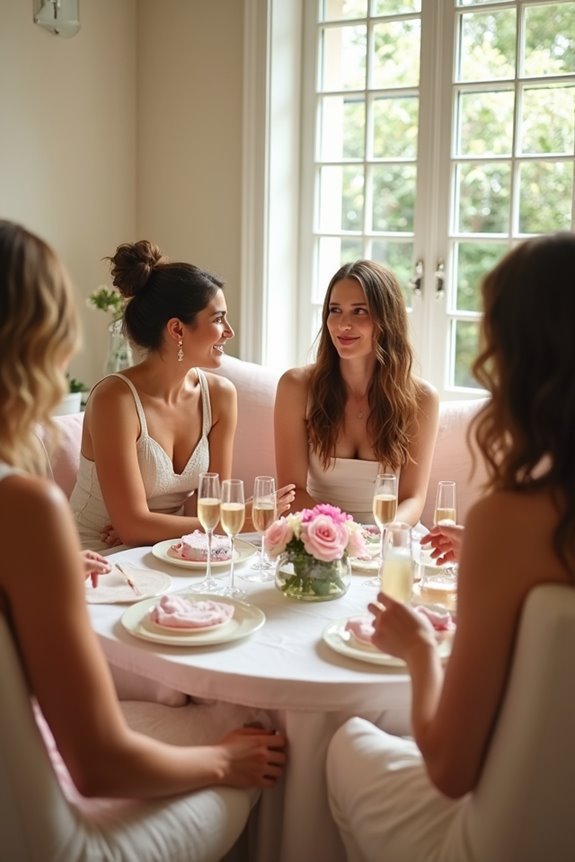
Why do so many people still choose a women-only bridal shower? I’ve found that limiting your guest list creates something special—real intimacy that larger events can’t quite capture.
When you gather only your closest female friends and family, you’re building space for genuine connection. Here’s what makes this format work:
- Honest conversations flow naturally without worrying about impressing mixed company
- Personal gifts feel comfortable since everyone shares similar experiences and perspectives
- Relaxed atmosphere lets people be themselves (no awkward small talk required)
You’re not just throwing a party; you’re creating a judgment-free zone where vulnerability feels safe. That intimacy matters. Whether you’re discussing relationships, dreams, or just laughing together, a women-only setting lets you connect authentically with the people who matter most.
Games and Activities That Work for Any Guest Mix
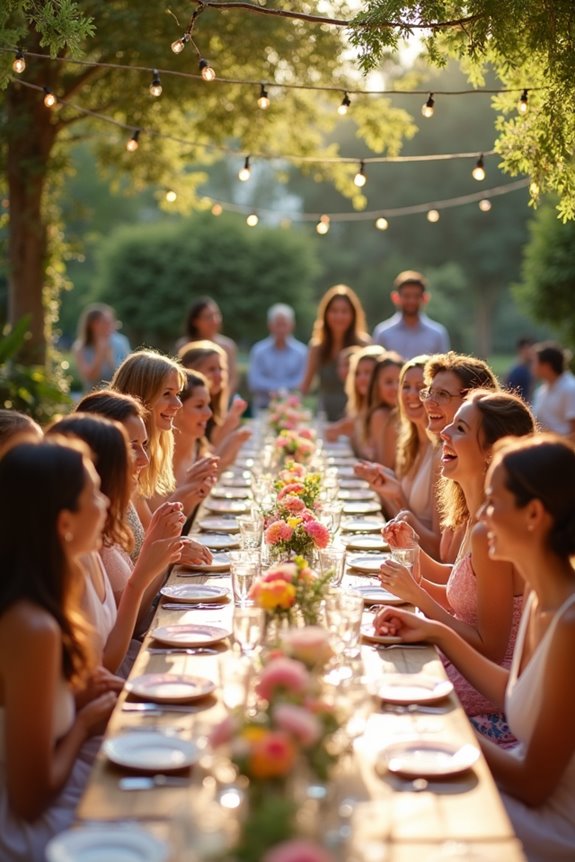
How do you keep everyone entertained at a shower that includes mixed company? I’ve found that bridal shower planning works best when you skip gender-stereotyped games entirely. Instead, I go for couple-focused activities like trivia about the bride and groom’s relationship or “find the guest” games that engage everyone equally.
Consider a couples’ quiz where guests answer questions about how well they know the pair. It’s inclusive, fun, and nobody feels awkward (toilet paper dress games, I’m looking at you). I also suggest asking the couple directly what activities match their vibe.
When you center entertainment around the couple’s actual personality rather than outdated traditions, everyone belongs. That’s when showers genuinely shine, regardless of who attends.
Breaking Gender Stereotypes: What to Actually Do
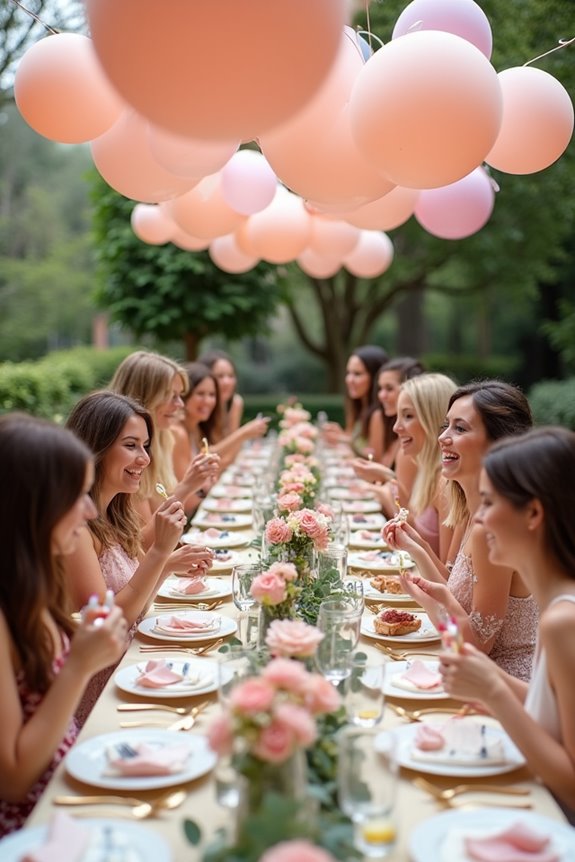
Here’s the thing about bridal showers—if you’re planning one, you’ve probably noticed that the traditional “women only” rulebook doesn’t fit everyone anymore.
The traditional “women only” bridal shower rulebook doesn’t fit everyone anymore—and that’s perfectly okay.
I’ve seen showers transform when hosts ditch stereotypes and focus on what the couple actually wants. Here’s how you can do it:
- Choose gender-neutral activities like trivia about the couple, cooking classes, or escape rooms instead of traditional games
- Skip pink everything—pick colors and themes that reflect the couple’s personality
- Ask the couple directly about their preferences rather than assuming what they’d enjoy
The real magic happens when you stop worrying about “should” and start asking “what makes them happy?” Your shower doesn’t need to follow old rules. It just needs to celebrate the people getting married.
When Family Expectations Clash With Your Vision
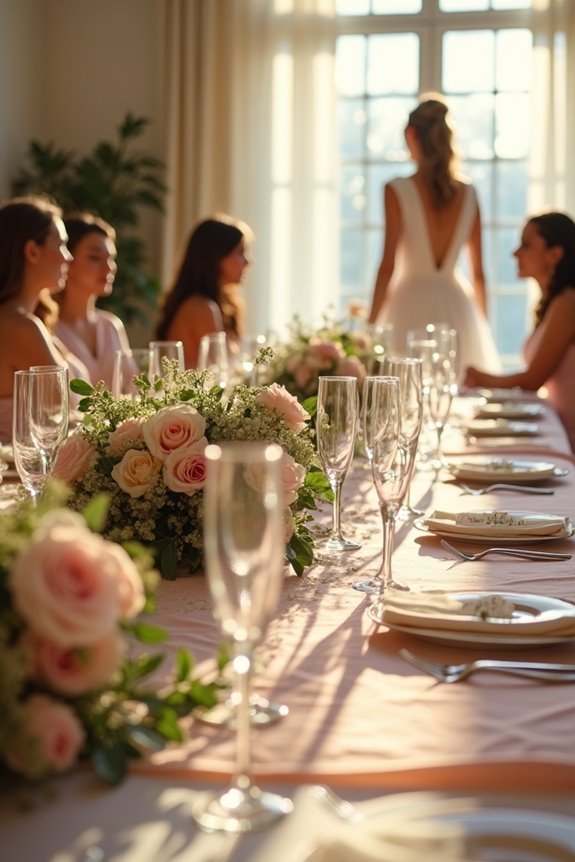
If your family’s expecting a traditional women-only shower while you’re picturing something more inclusive, you’re facing a pretty common conflict that doesn’t have to end in hurt feelings on either side. The key is talking openly with them early about your vision—maybe your mom imagined her sisters and friends gathered around, but you want your fiancé’s best friends there too (and possibly your fiancé themselves). You’ve got real options here: host two celebrations, design one event that honors tradition while including everyone you care about, or simply set boundaries about what you’re comfortable with and stick to them.
Navigating Family Tradition Pushback
When your vision for a co-ed bridal shower meets your mom’s insistence that “we’ve always done it this way,” you’re facing one of the trickier parts of wedding planning.
Here’s what I’ve learned works:
- Explain the couple’s reasoning clearly — Frame gender-inclusive wedding showers around what the bride and groom actually want, not as rejection of tradition.
- Offer a compromise that honors both visions — Perhaps host a traditional women-only shower alongside a separate couple’s celebration, satisfying family expectations while respecting modern preferences.
- Use your invitations strategically — Clear, inclusive language upfront prevents confusion and signals the event’s scope before pushback builds momentum.
The key? Present this as evolution, not rebellion. Your family wants to celebrate; they’re just stuck on the how.
Asserting Your Personal Preferences
Why do bridal shower “rules” feel so much more rigid than actual laws?
Here’s the truth: you get to decide. If you’re envisioning a co-ed celebration instead of a women-only gathering, that’s valid. Your preferences matter more than tradition. When family pushes back, communicate clearly about your vision—explain why this format works better for your couple and guests.
Consider what actually serves everyone: Will a mixed-gender shower feel more comfortable? Does it fit your gift expectations? You’re not being rebellious; you’re being thoughtful about creating an inclusive atmosphere.
Start conversations early. Say something like, “We’re planning bridal showers differently because it feels right for us.” Most people respect honesty. Remember, celebrating your couple authentically beats following outdated rules every single time.
Tell Your Guests Early: Setting the Tone for Inclusivity
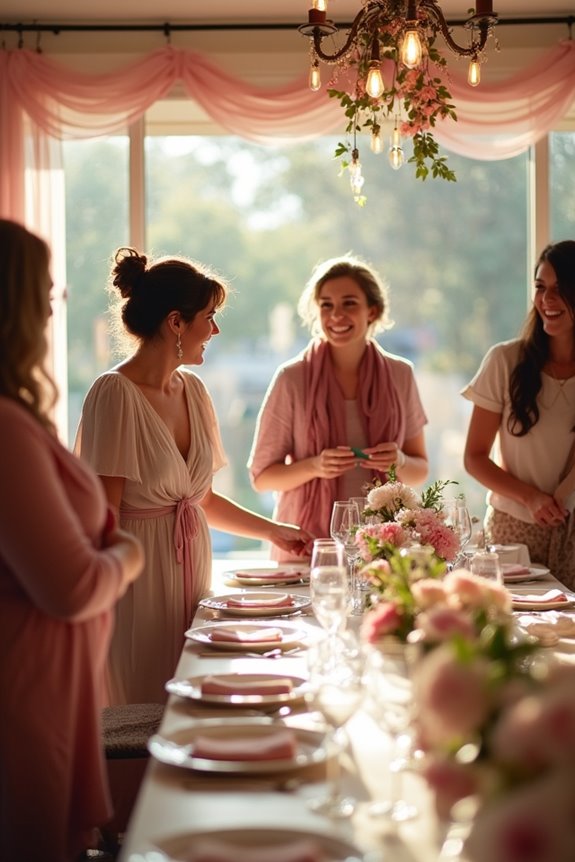
How you word your invitation can make all the difference in creating a comfortable space for everyone involved. I’ve learned that clarity about inclusivity prevents awkward moments later.
When I send invitations, I include:
- Clear language about the event’s inclusive approach – mentioning that all identities and partners are welcome sets expectations upfront
- Preferred pronouns and names – communicating how the bride and groom want to be referenced during games and toasts
- Event details that avoid gendered assumptions – describing activities neutrally rather than labeling them as traditionally “feminine”
Starting this conversation early means your guests arrive knowing they belong. I’ve found that when people understand the tone you’re setting, they relax. They show up as their authentic selves instead of guessing what role they’re supposed to play. That’s when real connection happens, and honestly, that’s what celebrations are actually about.
You Won’t Offend Anyone: Here’s Why Breaking the Rules Is Okay
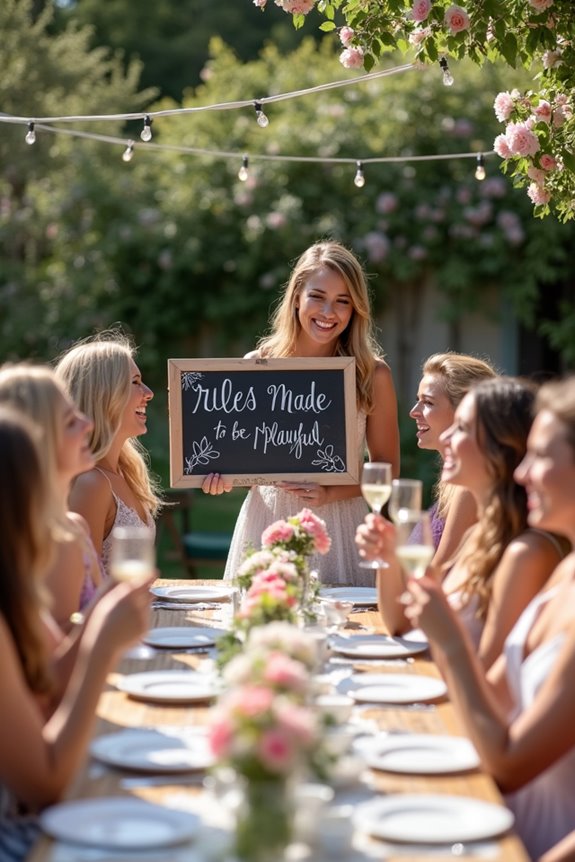
Once you’ve set that inclusive tone through your invitations, you might still wonder if breaking traditional bridal shower gender rules will somehow offend people. Here’s the truth: you won’t. Modern guests understand that gender neutrality reflects real life and genuine relationships. People appreciate when couples honor their authentic vision rather than forcing outdated traditions. I’ve seen mixed showers where everyone felt welcomed and celebrated together—no awkwardness required. Your friends likely care about supporting you, not policing your guest list’s composition. By prioritizing what feels right for you and your partner, you’re actually giving guests permission to embrace their true selves too. That’s something worth celebrating, not apologizing for.
Create Your Shower: A Framework for Hosts and Couples
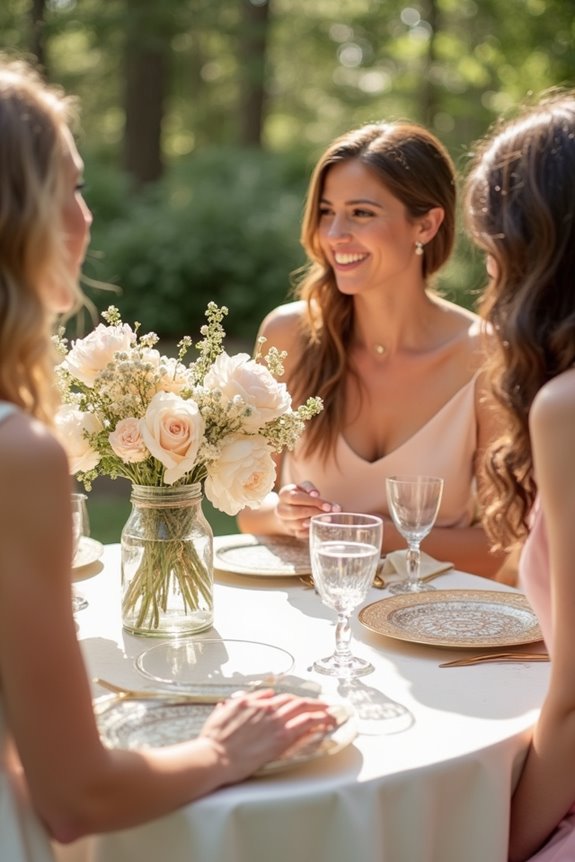
So what makes a great bridal shower? You’ve got to start by asking the couple what they actually want. Skip the assumptions and embrace the diversity of modern celebrations. Here’s your framework:
Start by asking the couple what they actually want. Skip the assumptions and embrace the diversity of modern celebrations.
- Ask about preferences – Guest list, activities, and vibe matter. What feels right to them?
- Choose inclusive activities – Couple-focused games beat stereotypical ones every time (no “guess the bride’s measurements” nonsense).
- Customize the format – One shower, two showers, mixed-gender, or something totally different works if it matches their values.
Trust me, when you personalize around their vision instead of rigid rules, you’re not just throwing a party. You’re showing them you see *their* love story, not some cookie-cutter version. That’s what guests remember.