

Start with your core: immediate family, bridesmaids, and emotionally close relatives—not acquaintances you’re padding numbers with. Your venue size and budget dictate how far you can expand (a home shower tops out around twenty guests; a rented space might handle sixty). Include in-laws thoughtfully and skip distant cousins unless they’re genuinely close. Avoid inviting non-wedding guests to prevent awkwardness. Send invitations four to six weeks ahead with a clear RSVP deadline, and you’ll discover specific strategies for those tougher calls.
Your Core Bridal Shower Guest List: Non-Negotiable Invitations
Where do you even start when building a bridal shower guest list? I’ve learned the golden rule: everyone you invite to the shower must actually make it to your wedding. That’s non-negotiable.
Your core invitations are your foundation. I always begin with immediate family—your mom, sisters, and aunts who’ve supported you. Then come your bridesmaids, because honestly, they’d be hurt if they weren’t included. These aren’t optional people; they’re your inner circle expecting to celebrate with you.
Don’t spread yourself thin inviting coworkers or acquaintances just to pad the numbers. Stick with people genuinely connected to your wedding guest list. This keeps everything authentic and prevents awkward situations later.
Your core invitations set the tone for everything else.
How Venue Size and Budget Shape Your Guest List
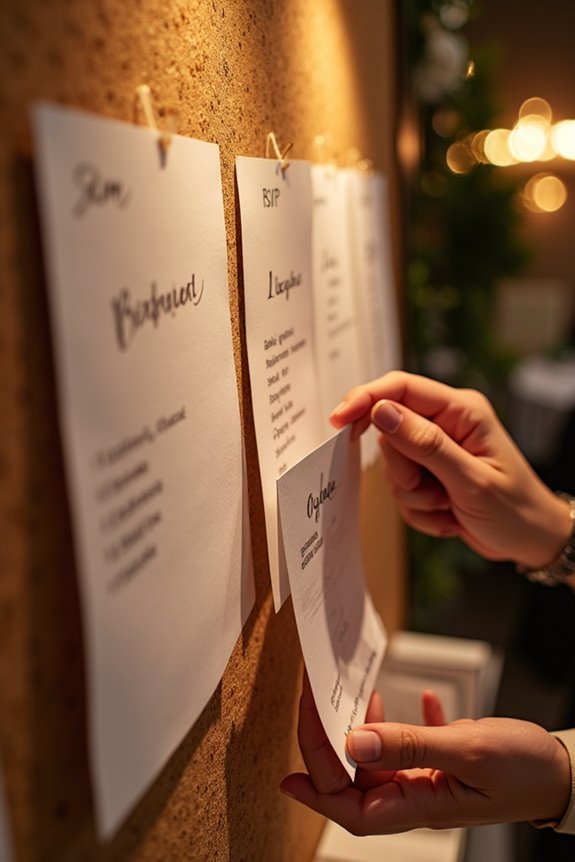
Once you’ve nailed down your core guest list, reality hits: your venue’s square footage and your budget are about to have a serious say in who actually makes the cut. If you’re hosting at home, you might squeeze in 20 people comfortably (unless you enjoy the human pretzel arrangement), but a rented venue could bump that to 60—though your wallet might stage a protest. The key is matching your dream guest count to what your space and finances can realistically handle, because there’s no shame in a smaller, more intimate shower when that’s what the numbers demand.
Venue Capacity and Guest Count
How do you actually decide who makes the cut when your dream venue only holds 50 people—but you’ve got 80 people you’d love to celebrate with?
Your venue capacity directly shapes your shower guest list, and honestly, it’s one of the toughest decisions you’ll make. Here’s how I’d approach it:
- Count your space first – Measure chairs, tables, and standing room before finalizing invitations
- Prioritize your inner circle – Keep close family and friends when cuts become necessary
- Consider budget per guest – Smaller venues often cost less, stretching your budget further
- Plan backup options – Know if you can expand to a bigger space if needed
Budget considerations and venue capacity work together. A smaller guest list (30–40 people) feels intimate and manageable, while larger venues demand bigger budgets. I’d rather host 40 people I genuinely want there than squeeze in 80 uncomfortably.
Budget Impact on Invitations
What’s your actual cost per guest, and does it match who you really want to celebrate with? Your budget shapes everything. If you’ve got a tight budget, you’ll likely invite closer friends and immediate family rather than everyone you know (sorry, acquaintances). Dividing your total venue costs by expected guests reveals your cost per person. A $500 private room for 25 people means $20 per guest—very different from the same room for 40 people at just $12.50 each. This math matters because it influences your guest list directly. You might stretch invitations further with a larger venue capacity, or you’ll need to make tougher choices about who makes the cut. Either way, knowing your numbers helps you build a list that feels genuine and financially comfortable.
Bridesmaids, In-Laws, and Extended Family: Expanding Your Circle

Your bridesmaids are probably already on the list—they’re the natural starting point when you’re building your guest roster. But expanding beyond that inner circle takes strategy. Here’s how I’d approach it:
- Include in-laws thoughtfully – Your future mother-in-law and sisters-in-law deserve spots, especially if the bride’s side is coordinating.
- Consider geographic closeness – Invite aunts and cousins who live nearby; long-distance relatives might appreciate a heads-up instead.
- Prioritize emotional connections – Close family friends matter more than distant relatives you see once yearly.
- Cap your numbers if needed – When the bridal party’s large, stick to bridesmaids and closest relatives to keep things manageable.
The key? Coordinate with the bride. She’ll tell you who truly matters, and that’s your real compass for building the perfect guest list.
Should You Invite Non-Wedding Guests?

When you’re building the bridal shower guest list, the question of including people who aren’t invited to the actual wedding can get sticky fast. Here’s the thing: it risks hurting feelings and creating awkward situations nobody wants.
| Approach | Best For | Consideration |
|---|---|---|
| Wedding-aligned list | Consistency | Prevents confusion |
| Broader shower circle | Close friends/family | Requires clear communication |
| Co-ed shower format | Inclusive celebration | Distinguishes from wedding |
| Separate welcome party | Extended guests | Avoids shower conflicts |
The safest move? Keep your bridal shower guest list aligned with your wedding guest list. This prevents the “wait, why wasn’t I invited to the actual wedding?” awkwardness.
However, if you’re considering a co-ed shower or broader celebration, talk directly with the bride first. She’ll appreciate your thoughtfulness and can guide what works best for her vision.
Timing and Invitation Wording: How to Tell Them
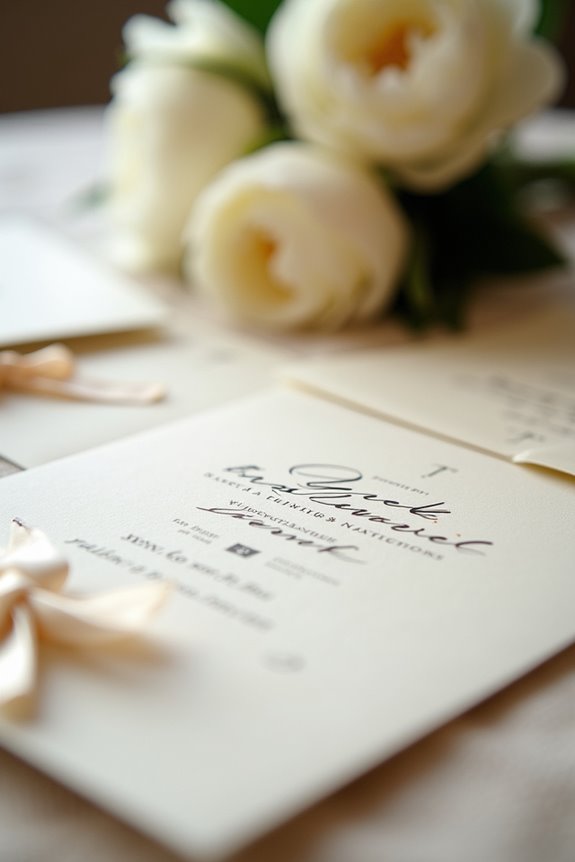
Now that you’ve finalized your guest list, you’ll need to get those invitations out the door four to six weeks ahead (or a full two months for out-of-towners—trust me, they’ll appreciate the notice). Your wording doesn’t have to be stuffy like a wedding invitation; you can grab a template from The Knot or similar sites and make it conversational, just hitting the key details: party type, date, time, exact location, RSVP deadline, and registry info. For RSVP management, I’d suggest using a central system and asking for regrets-only responses, which cuts down on the email avalanche and keeps things organized.
Send Invitations Early
The timing of your invitations can make or break your bridal shower planning—I’ve seen guests scramble last-minute because they didn’t get enough notice. Getting your bridal shower invitations out early shows respect for your guest list and gives everyone time to arrange their schedules.
Here’s what I recommend:
- Mail invites four to six weeks ahead for local guests who can plan accordingly
- Send them two months early for out-of-towners traveling from afar
- Request RSVP responses one to two weeks before the event so you can finalize numbers
- Consider “regrets only” phrasing to reduce inbox overwhelm for attendees
Early timing reduces stress for everyone involved. You’ll nail those headcount details, and your guests won’t feel rushed. Trust me—this simple step transforms your entire planning experience.
Essential Wording Details
How you word your invitation matters just as much as when you send it—I’ve watched confusing invites create chaos at showers because guests didn’t know if they should bring a plus-one or what the event actually was.
Your invitation wording should clearly state the event type (traditional bridal shower, couple’s shower, or co-ed format). Include your hosts’ names, the guest of honor, exact date, time, and location. Use correct names and titles—these details show respect and prevent awkward mix-ups.
Make your RSVP instructions unmistakable: specify whether guests should phone or email, and set a firm deadline. If you’re managing your guest list through a central system, mention that too. Including a registry link prevents the “what should I buy?” panic that derails even well-intentioned guests.
RSVP Management Strategy
When should you actually ask your guests to respond, and what’s the best way to tell them? I’ve learned that timing matters more than you’d think for RSVP management.
Here’s my strategy for tracking responses effectively:
- Mail invitations four to six weeks ahead so guests have breathing room to decide and arrange travel
- Set a clear RSVP deadline that gives you at least two weeks to finalize details with your venue
- Use a central system—whether it’s email, a spreadsheet, or an online guest list manager—to organize all responses in one place
- Send friendly reminders as your deadline approaches to catch stragglers
I always specify “regrets only” on my invitations (fewer emails to sort through, honestly). Include both phone and email options so guests can respond however feels easiest. This approach keeps your guest list organized and prevents last-minute scrambling.
RSVP Strategy and Headcount Confirmation

Once you’ve settled on your guest list, nailing down who’s actually coming is where things get real—and honestly, it’s one of the most essential parts of shower planning. I’d recommend using a central RSVP system to track responses efficiently. Set a clear deadline, maybe three weeks before the shower, so you’ve got time to finalize headcount and plan seating, food, and favors accordingly.
Here’s my tip: include a regrets-only note on your bridal shower invitations. This approach reduces inbox clutter while still capturing who’s attending. Whether you collect RSVPs via email or phone, make sure your RSVP strategy matches your bride’s preferences and wedding guest list alignment. Getting accurate headcount early keeps everything organized and prevents last-minute scrambling (trust me, you’ll want that breathing room).
Tough Guest List Calls: Mom, Cousins, and Coworkers

Now that you’ve got your RSVP deadline locked in, the real head-scratching begins—figuring out who actually belongs on that guest list.
I’ll be honest: this part gets tricky. You’re balancing relationships, logistics, and potential family drama all at once. Here’s what I’ve learned works:
- Mom and mom-in-law calls: Chat with the bride about how involved each should be—proximity and family dynamics matter here.
- Cousins: Invite emotionally close or nearby ones, but skip distant relatives to keep things manageable (inviting whole groups prevents hurt feelings).
- Coworkers: Exclude them unless it’s co-ed, avoiding awkward situations with non-wedding guests.
- When in doubt: Prioritize the bride’s closest relationships and defer broader invitations until you’ve confirmed the event’s scale.