

Engagement parties aren’t tacky—they’re just often executed poorly. I’ve seen them work beautifully when you keep things genuine and low-pressure. Host two to three months after your proposal, skip the aggressive gift-asking, and choose an intimate setting like your home or a restaurant’s private room. Include “no gifts, just your presence” on invitations. The key? Make it celebrate your relationship, not obligations. Keep the vibe casual, the toasts brief, and the expectations clear—and you’ll host something meaningful instead of cringey. Stick around to discover exactly how.
Engagement Parties Aren’t Tacky: Here’s How to Host One Right

Why do so many people cringe at the mention of engagement parties? I’ve learned that they’re not inherently tacky—they just need proper planning. When I host with class, I follow solid engagement party etiquette: I invite only wedding-appropriate guests and skip the aggressive gift requests. My approach keeps things intimate, maybe at home or a nice restaurant’s private room. I’ve found that hosting within a few months of getting engaged prevents the party from overshadowing the wedding itself. Setting clear expectations matters too. I always include “no gifts, just your presence” on invitations so guests feel genuinely welcome, not obligated. When you nail these details, your engagement party becomes a meaningful celebration—not a cash grab. That’s when people actually enjoy showing up.
Timing Matters: The 2-3 Month Sweet Spot

I’ve found that timing your engagement party two to three months after the proposal gives you the sweet spot—it’s far enough out that you’re not scrambling like you’ve got wedding planning on fire, yet close enough that everyone’s still buzzing with that fresh engagement energy. This window lets you actually envision what your wedding will feel like and plan a party that reflects your vibe (rather than just throwing something together because, well, you’re supposed to). Plus, you’ll have enough breathing room to coordinate with your families, nail down a guest list without stressing the whole crew, and celebrate with the excitement still riding high—not when engagement announcements feel like ancient history.
Why The Three-Month Window
When should you actually throw an engagement party? I’d aim for that sweet three-month window after your proposal. Here’s why it matters: this timing lets you share your excitement without feeling rushed into wedding planning (nobody wants that pressure immediately). You’ll give guests enough notice to coordinate schedules—trust me, getting everyone together gets harder the longer you wait. More importantly, a three-month engagement party lets you and your partner breathe. You’ll have space to think about actual wedding details instead of scrambling. Plus, your families get time to meet and adjust. It’s not too soon that you’re panicking, and not so late that people forget why they’re celebrating. That sweet spot? It’s where the magic happens.
Planning Workload and Balance
Now that you’ve nailed down the timing, let’s talk about the actual work involved—because planning an engagement party on top of everything else can feel overwhelming if you’re not careful.
Here’s the truth: you’ll manage the planning workload best by setting a clear budget immediately. This single decision eliminates half your stress. Next, choose a venue that handles both your engagement party and wedding logistics. (Yes, this actually simplifies coordination—trust me.)
| Task | Time Required | Stress Level |
|---|---|---|
| Budget Setting | 1 hour | Low |
| Venue Selection | 3-4 hours | Medium |
| Guest List | 2 hours | High |
Consider hiring a professional planner. They’ll align your party’s vibe with wedding planning, coordinate vendors, and manage invitations. You’ll reclaim your sanity—and your relationship—while maintaining balance throughout this exciting season.
Capturing Engagement Excitement
Why does timing matter so much for your engagement party? I’ve learned that waiting two to three months after your proposal creates the perfect window for celebration traditions. You’re not rushing (which honestly feels chaotic), yet the engagement news still feels fresh and exciting.
I recommend avoiding that immediate post-proposal party urge. Sure, you’re thrilled, but you’ll want breathing room to process everything. The two to three month sweet spot lets you actually enjoy being engaged without drowning in planning stress.
This timing helps you introduce families naturally and celebrate together meaningfully. You’re building anticipation for your wedding without stealing its thunder. Think of it as savoring the engagement itself—which you’ve earned—before diving into wedding logistics. That’s when the real party magic happens.
Who Pays and Who Hosts Your Engagement Party
One of the first decisions you’ll make about your engagement party is figuring out who’s actually footing the bill—and honestly, it’s trickier than you’d think. Traditionally, the bride’s parents host and pay, but that’s changing. You might have your groom’s parents step up, both families co-host, or even host it yourselves. Here’s the thing: if you’re hosting your own party, some folks might view it as tacky unless you’re crystal clear that gifts aren’t expected. The key to managing hosting responsibilities smoothly? Communicate openly about who’s doing what. If both families are involved, a professional planner can help coordinate vendors and keep costs balanced. It prevents drama before it starts.
Building Your Guest List Without Hurt Feelings

You’ll want to think strategically about who makes the cut, because nothing kills the engagement party vibe like someone finding out they weren’t invited to celebrate with you. I’d suggest aligning your guest list with your actual wedding invitations—if you’re planning an intimate ceremony with just fifty people, don’t throw a 200-person engagement bash and expect folks to understand why they’re suddenly cut from the wedding day. The key is being transparent about your celebration’s size and scope, so people grasp their role in your story rather than feeling like afterthoughts (or worse, gift-givers for a party they won’t attend again).
Wedding Guest Alignment Strategy
How do you invite people to celebrate your engagement without creating a guest list nightmare? The key is guest alignment—inviting folks you’ll actually want at your wedding too. I learned this the hard way when my cousin felt hurt she wasn’t included in our ceremony after celebrating with us. Now I’m more thoughtful about who gets that invitation.
Your invitations should make expectations clear. I include a note saying our wedding will be intimate, which honestly relieves pressure on everyone. If you’re hosting multiple parties, avoid asking the same people twice (except close family). This prevents fatigue and awkwardness. Think of your engagement party as a warm-up to your actual wedding, not a separate event requiring different crowds. Keep your lists aligned, and everyone stays happy.
Managing Intimate Celebration Sizes
What’s the magic number for an engagement party guest list? I’d say keep it small enough that you’re actually celebrating together, not just checking boxes. Here’s how I manage intimate celebration sizes without creating drama:
- Stick to wedding invitees only – I’ve learned this prevents awkward conversations about why someone got cake but no ceremony invite
- Consider hosting multiple smaller gatherings – separate events for family and friends feel more genuine than one overwhelming crowd
- Make your venue match your numbers – a cozy home beats a half-empty banquet hall (trust me on this one)
The real secret? Your engagement party should feel like an actual celebration, not a logistical nightmare. When you’re selective about who attends, everyone there genuinely wants to celebrate with you. That’s what makes intimate celebration sizes so powerful.
Preventing Exclusion and Resentment
Since engagement parties sit in that weird space between casual get-together and pre-wedding event, I’ve found that the guest list is where most hurt feelings actually start. Here’s my honest take: only invite people who’ll actually make it to your wedding. Inviting coworkers to an engagement party but not the wedding? That stings, trust me.
For inclusivity, I treat my engagement party guest list like my wedding list’s dress rehearsal. I’ve learned that avoiding multiple separate parties prevents jealousy among different friend circles. If some friends feel left out while others get an invite, resentment quietly builds.
Be clear about your party’s purpose too. A simple note stating “gifts aren’t expected” removes pressure and shows you’re thinking about your guests’ wallets, not their obligation.
Choosing a Venue That Fits Your Style and Budget
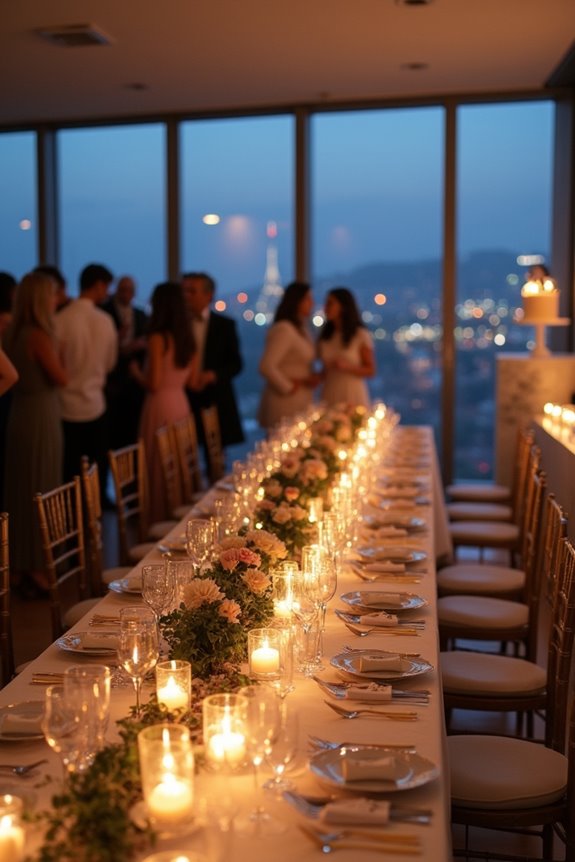
Your venue choice might be the most important decision you’ll make—it sets the tone for your entire celebration and directly impacts both your wallet and your sanity.
Your venue choice sets the tone for everything—it impacts your budget and your stress level equally.
I’ve learned that matching your engagement party venue to your style matters. Here’s what I’d consider:
- Home hosting offers flexibility and savings while keeping things intimate and personal
- All-inclusive venues like country clubs handle catering and décor, reducing your stress considerably
- Creative spaces such as sunset harbor cruises or favorite restaurants add memorable personality
If you’re expecting a larger crowd, you’ll want comfortable seating and mingling space. Smaller gatherings thrive at home without feeling cramped. I’d honestly assess your budget first, then explore options that genuinely reflect who you are. Your guests’ll appreciate authenticity over expense.
Engagement Party Gifts and Registry Essentials
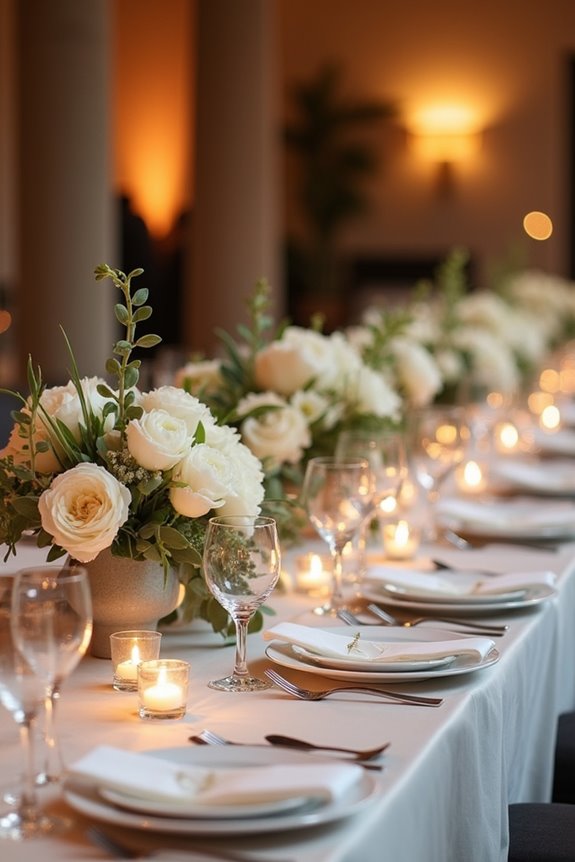
When should you expect gifts at your engagement party—and do you even need them? Honestly, engagement party gifts aren’t required, though more guests are bringing them these days.
Here’s my advice: set up your registry soon after getting engaged. I’d focus on low to mid-range items—think nice kitchen gadgets, not a $500 cappuccino maker (seriously, skip that). Include registry details on your wedding website and invitations so guests know what you actually want.
If gifts do arrive, unwrap them later, away from the party. You’ll keep things celebratory and pressure-free that way. Consider noting that gifts are welcome but optional, especially for intimate celebrations. This simple move helps everyone relax and enjoy the moment without awkwardness.
Parent Introductions: Avoiding Awkward First Meetings

How do you handle the moment when both families meet for the first time at your engagement party? I’ve learned that smooth introductions require planning—not just hoping everyone mingles naturally (spoiler: they often don’t).
Here’s what actually works:
- Schedule a pre-party meeting – Arrange a quiet lunch or casual cocktail hour before the main engagement party. This eases nerves and creates familiarity when the bigger event arrives.
- Dedicate introduction time – Plan a specific moment away from the crowd where parents can genuinely connect without distractions or competing conversations.
- Use guided introductions – Consider a structured welcome toast or brief guided moment rather than relying on spontaneous mingling.
These approaches help both families feel welcomed and comfortable, establishing the connection you’ll need heading into wedding planning.
Choosing Your Party’s Formality Level
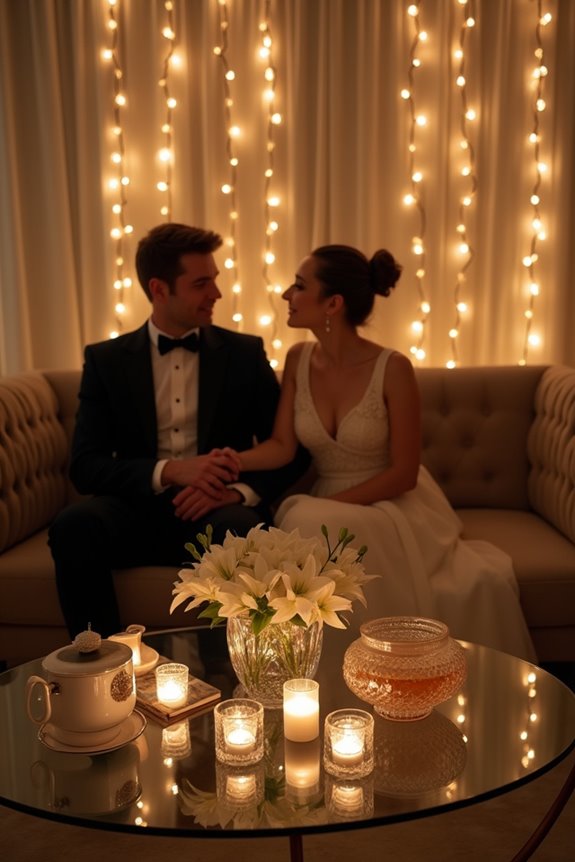
Once everyone’s comfortable with each other, it’s time to decide what kind of party you’re actually throwing—and this choice matters more than you’d think. I’ve learned that upscale casual works beautifully for most couples. It feels celebratory without overshadowing your main wedding (which is honestly the goal here).
You’ve got options. Want something laid-back? Host it at home or rent a rooftop for that intimate vibe. Planning a formal affair? Set your budget early and choose an all-inclusive venue to save yourself hunting stress.
Here’s what I’d advise: match your engagement party’s formality to your future wedding’s tone. Skip the white dress code—keep things relaxed so guests feel comfortable. Your engagement party should feel like a distinct celebration, not a dress rehearsal.
Optional Speeches: Keeping Toasts Celebratory and Brief
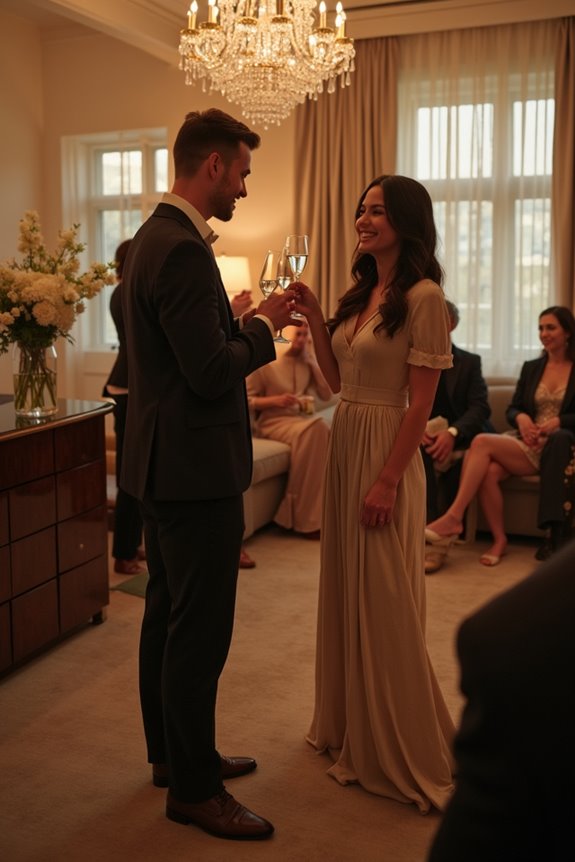
I’ve found that keeping speeches optional takes pressure off everyone—honestly, your guests are there to celebrate, not sit through a TED talk. If you do decide to speak, I’d aim for two to three minutes max where you’re genuinely congratulating the couple and maybe acknowledging the families or close friends who matter most (skip the embarrassing stories, trust me). The best toasts I’ve seen are the ones that feel warm and conversational rather than rehearsed, so you’re setting a classy tone without making anyone uncomfortable or bored.
Keep Remarks Brief And Celebratory
Why do engagement parties sometimes feel like formal dinner events with marathon speeches? I’ve learned that brief remarks actually celebrate better than lengthy toasts. Here’s what I recommend:
- Keep speeches under three minutes (yes, I’m timing myself now)
- Focus on genuine congratulations rather than inside jokes nobody gets
- Let the couple speak briefly to thank guests, then wrap it up
I hosted my friend’s engagement party last spring, and skipping formal speeches felt rejuvenating. Guests mingled more, laughed easier, and actually talked with the couple instead of polishing their material. You’re not being rude by keeping things short—you’re being considerate. Your engagement party should feel celebratory and relaxed, not like a formal awards ceremony. Brief remarks set that tone perfectly.
Optional Nature Of Toasts
The beauty of keeping speeches short is realizing you don’t actually need them at all. I’ve hosted engagement parties where toasts were completely absent, and honestly? Nobody missed them. Toasts aren’t required—they’re genuinely optional at your engagement party. If you choose to include them, that’s wonderful. The host might offer brief congratulations, and the couple can thank guests if they’d like. But there’s zero obligation here. I’ve found that skipping formal speeches actually keeps the energy lighter and more intimate. You’re not creating pressure for someone to stand up nervously (I get it—public speaking’s awkward). Instead, you’re preserving a relaxed celebration focused purely on joy. That’s classier than forcing awkward toasts anyway. Your engagement party’s purpose is togetherness, not performance.
Budget-Conscious Hosting: Small Parties and Cost-Saving Ideas

Hosting an engagement party doesn’t require you to drain your savings account or stress about impressing everyone in your contact list. I’ve learned that budget-conscious hosting means getting creative, not cutting corners on joy.
Here’s what works:
- Host at home or your backyard – Skip venue fees entirely and save hundreds while keeping things intimate and comfortable.
- Keep your guest list small and casual – An intimate brunch or coffee gathering costs far less than formal catering while feeling genuinely connected.
- Embrace DIY touches – A handmade guest book or prediction vase adds personality without expense.
You can also note on your wedding website that gifts aren’t expected (they’re truly optional). I’ve found that people appreciate honesty and authenticity over elaborate productions. Your engagement party’s elegance comes from thoughtfulness, not spending.
Hosting Mistakes to Sidestep

When you’re planning your own engagement party, it’s easy to stumble into a few pitfalls that can make the whole thing feel off—or worse, gift-grabby. The biggest hosting mistakes involve treating it like a formal wedding preview. Don’t send elaborate invitations expecting presents or create pressure around gifts. I’ve learned that keeping things intimate with close family and friends works better than throwing a large, competitive affair. Skip unwrapping presents during the party itself (seriously, it’s awkward). Instead, acknowledge gifts discreetly afterward. Make sure your invitations clarify that the wedding is separate and gifts are completely optional. Consider hosting a casual gathering or small toast instead of a grand production. This approach feels genuine and celebrates your relationship without the uncomfortable expectations.