
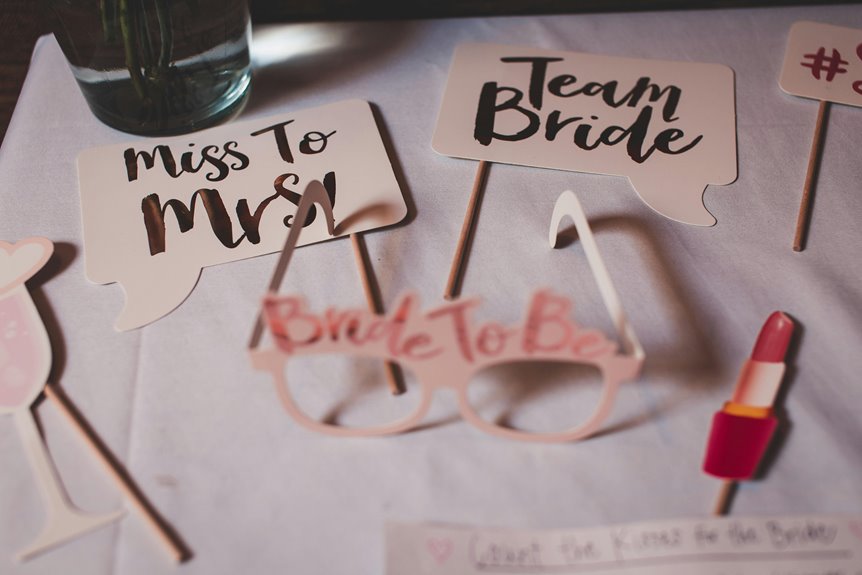
I’d aim for two to three months before the wedding—it’s the sweet spot that prevents overwhelm. This timing gives guests enough notice to plan travel, lets the bride enjoy the celebration without wedding-week chaos, and keeps things from piling up with engagement parties and bachelor bachelorette events. Push it earlier if your guest list travels far, or later if you’re coordinating around holidays and weather. The specific date really depends on your situation, so stick around to find your perfect timing.
The Sweet Spot: 2–3 Months Before the Wedding

When should you actually throw this thing? I’ve found that two to three months before the wedding hits the sweet spot—and here’s why it matters for your bridal shower timing. This scheduling window gives you breathing room without overwhelming the bride (or yourself). You’ll have plenty of time for guest RSVP planning, letting people know what’s happening without last-minute scrambles. I’ve seen hosts stress less when they’re not juggling the shower alongside other pre-wedding events like engagement parties or dress fittings. Two to three months also means guests can actually attend—they’re not booked solid yet. Plus, the bride gets to enjoy registry engagement without feeling rushed. It’s that goldilocks zone where everything flows naturally, letting you celebrate without adding chaos to the countdown.
Why Bridal Shower Timing Matters: Reducing Bride’s Stress and Host’s Work
Timing your bridal shower isn’t just about picking a date on the calendar—it’s about managing the actual workload and stress that comes with pulling off an event.
Bridal shower timing is less about the calendar date and more about managing the workload and stress of event planning.
When you plan your bridal shower timing strategically, you’re protecting the bride (and yourself) from unnecessary chaos. Here’s why this matters:
- You avoid the final two weeks before the wedding when the bride’s stress peaks and her schedule’s already packed
- You give yourself a realistic planning timeline to handle guest invitations, RSVPs, and vendor coordination without feeling frazzled
- You respect pre-wedding events that might already be scheduled, preventing overlap that exhausts everyone
A 2–3 month planning window lets you breathe. You’re not cramming details last-minute, and the bride can actually enjoy her shower instead of mentally checking off her to-do list. That’s when everyone wins.
Coordinating Around Other Pre-Wedding Events
I’ve learned the hard way that stacking your bridal shower too close to the engagement party, bachelorette bash, dress fittings, and rehearsal is a recipe for exhaustion—both yours and your guests’. When you’re spacing out these events, I’d recommend treating your calendar like a strategic puzzle: you’ll want breathing room between celebrations so people don’t feel obligated to attend five things in two weeks (and honestly, so your bride doesn’t end up running on caffeine alone). By mapping out all the major pre-wedding milestones first, you can actually find that sweet spot where your shower fits naturally into the timeline without creating a logistical nightmare.
Sequencing Multiple Celebrations
How do you fit a bridal shower, engagement party, bachelor party, and rehearsal dinner into the pre-wedding timeline without creating scheduling chaos?
I’ve learned that smart event sequencing saves everyone’s sanity. You’ll want to space these celebrations strategically across your wedding calendar, giving guests and the couple breathing room.
- Schedule your engagement party first (3–4 months out), setting the celebratory tone
- Plan the bridal shower 2–3 months before, allowing invitation time and RSVPs
- Reserve the bachelor party and rehearsal dinner for the final month, keeping momentum building
When you’re coordinating pre-wedding celebrations, consider guest availability and travel logistics. Staggering events prevents attendee burnout and lets everyone show up genuinely excited. I’ve seen couples thrive when they space things out—it feels less overwhelming and actually more meaningful.
Preventing Schedule Conflicts
Once you’ve got your celebration timeline mapped out, the real work begins: keeping all those events from stepping on each other’s toes. I’ll be honest—coordinating bridal shower timing around other pre-wedding events feels like solving a puzzle sometimes.
Here’s your game plan: list every commitment (engagement party, bachelor/bachelorette bash, rehearsal dinner, welcome gathering) and mark those dates as no-go zones. You’re aiming for that sweet 2–4 month window before the wedding, which gives guests reasonable lead time while avoiding final-week madness.
| Event | Ideal Timing | Conflict Risk |
|---|---|---|
| Engagement Party | 6–8 months prior | Low |
| Bridal Shower | 2–4 months prior | Medium |
| Rehearsal Dinner | 1–2 days before | High |
| Bachelor/Bachelorette | 1–4 weeks prior | High |
Contact your venue and vendors early. Confirming availability prevents double-booking headaches and ensures invitations reach guests with adequate notice, reducing schedule conflicts significantly.
Managing Guest Travel Demands
Why do guest logistics feel like you’re herding cats across state lines? When you’re managing guest travel demands, timing becomes everything. I’ve learned that coordinating pre-wedding events prevents the dreaded “I can’t attend both” conversation. Here’s what I prioritize:
- Space out major events so guests aren’t juggling multiple trips within weeks
- Send invitations 6–8 weeks ahead for traveling guests, giving them real planning time
- Pair the shower with another pre-wedding event when possible to bundle travel
Timeline #1: Registry, Invitations, and Guest Travel
When should you actually send out those shower invitations? I’ve learned that timing matters more than you’d think. First, complete your registry—guests need current gifts to reference, so don’t skip this step. Then mail invitations 4–6 weeks ahead, which gives everyone breathing room for travel planning and gift shopping.
I typically aim for a bridal shower 2–3 months before the wedding, though you can stretch to 4–6 weeks or even 5 months depending on circumstances. Here’s the thing: if you’re inviting out-of-town guests, bump that lead time to 6–8 weeks. They’ll appreciate extra notice for flights and accommodations.
Finally, coordinate bridal shower timing with other pre-wedding events. You don’t want your guests scrambling between bachelorette parties, rehearsals, and showers (trust me, nobody enjoys that chaos).
How Seasons and Regional Factors Influence Timing
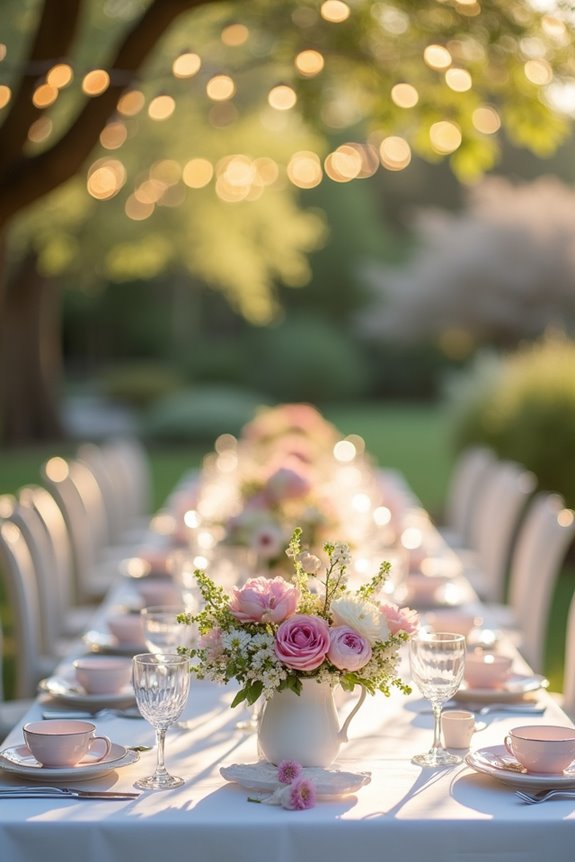
Once you’ve locked down your guest list and sent out invitations, I’d recommend taking a step back to consider how the season itself can either make or break your shower timing—because scheduling a winter event in a snowy region when half your guests live three states away is a logistical nightmare you don’t need. You’ll want to think about shoulder seasons (spring and fall) if you’re seeking flexibility, check your regional weather patterns to decide between indoor or outdoor venues, and absolutely cross-reference your chosen date against major holidays and travel weekends that might thin out your crowd. By aligning your timing with both the calendar and Mother Nature, you’re essentially giving yourself (and your guests) the gift of actually being able to show up without canceling flights or shoveling snow in formal wear.
Peak Season Flexibility Strategies
How much easier would your planning be if you could dodge the peak wedding rush entirely? I’ve learned that timing your bridal shower during shoulder seasons—spring and fall—gives you breathing room that summer simply won’t offer.
Here’s what makes shoulder season planning so smart:
- Venue availability skyrockets, meaning you’re not competing with dozens of other events for that perfect barn or garden space
- Guest travel becomes genuinely comfortable, without holiday weekend conflicts stealing your crowd
- Your budget stretches further because vendors aren’t charging peak prices
I always schedule showers four to eight weeks before the wedding during these sweet spots. This window lets your registry finalize smoothly and gives guests enough notice without the summer scramble. Trust me—choosing off-peak timing transforms planning from stressful to manageable, and your guests will actually show up.
Weather and Travel Planning
Your guests’ comfort—and their ability to actually attend—hinges on whether you’re asking them to navigate a blizzard or a heat wave to celebrate with you. I learned this the hard way when I scheduled mine during peak ski season in Colorado. Weather planning isn’t optional; it’s essential to bridal shower timing.
Consider shoulder seasons—spring and fall—when travel logistics become manageable and seasonal considerations work in your favor. Summer heat waves? Outdoor showers become torture. Winter storms? Flight cancellations spike. Guest accessibility improves dramatically when you avoid extreme conditions.
Regional factors matter too. Mountain areas need different timing than coastal regions. Check typical weather patterns for your location and choose dates when guests can actually reach you comfortably. This thoughtfulness transforms attendance from obligatory to genuinely achievable.
Holiday Calendar Coordination
Beyond dodging snowstorms and heat waves, you’ve got to contend with the calendar itself—and I’m not just talking about checking if your venue’s available. Holiday calendar coordination directly impacts your bridal shower timing and overall wedding planning timeline.
Consider these factors when scheduling:
- Major holidays create family travel chaos, making attendance impossible for loved ones you actually want there
- Shoulder seasons (spring and fall) offer comfortable weather while guests enjoy lighter schedules
- Peak travel periods drain budgets, leaving people less generous with gifts and energy
I learned this the hard way when I scheduled mine during Thanksgiving week (rookie mistake). Your travel considerations matter because guests juggle work obligations and family commitments. Aim for those sweet spots between major holidays. This strategic bridal shower timing ensures your celebration feels inclusive, not like an afterthought squeezed between obligations.
Real Examples: When Each Timeline Works Best

When you’re actually planning a shower instead of just reading about it, timing becomes real—and sometimes messier—than theory suggests. I’ve seen bridal shower timing work beautifully at different intervals depending on your specific situation. A local traditional shower six weeks before the wedding keeps momentum strong without overwhelming final preparations. If you’ve got guests traveling, push it to four months ahead—that’s your sweet spot for travel considerations and guest reach. For longer engagements during busy seasons, five months out reduces stress significantly. Three months before typically balances excitement with actual wedding planning (you know, those pesky details). The key? Match your timeline to your life. What works for your cousin’s destination wedding might not fit your intimate local celebration, and that’s completely okay.
Your Step-by-Step Framework: How to Choose Your Shower Date
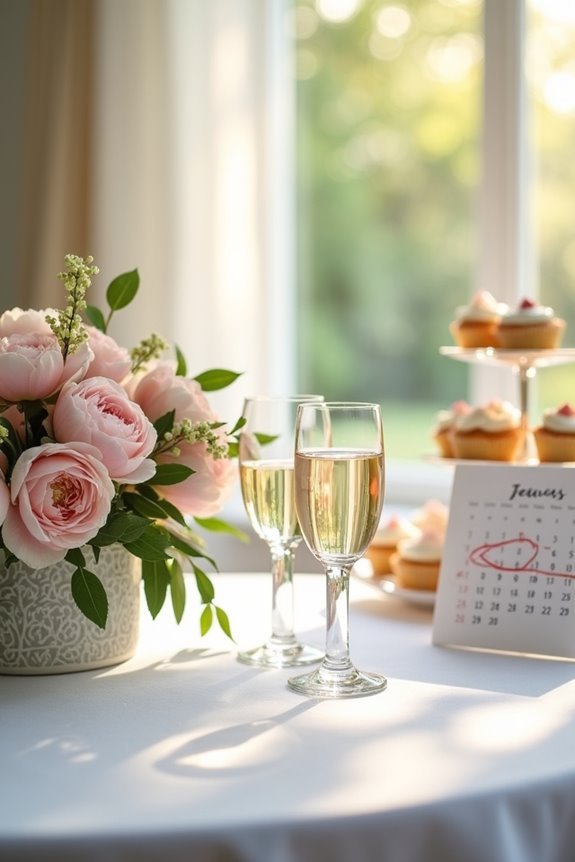
Now that you’ve seen how different timelines play out in real life, it’s time to actually pick your date—and I’ll be honest, this part feels less overwhelming when you’ve got a solid framework to follow.
Start by mapping out your bridal shower date using these steps:
Start by mapping out your bridal shower date using these strategic steps to transform timing from stressful guesswork into manageable planning.
- List your no-go dates first (final two weeks before the wedding, major holidays, existing commitments)
- Check venue and vendor availability to confirm your top choices can accommodate you
- Send invitations with proper lead time—4–6 weeks for local guests, 6–8 weeks for travelers
Next, coordinate with other pre-wedding events to prevent scheduling conflicts. Finally, consult the bride about her stress level and preferences. This framework transforms timing from stressful guesswork into manageable planning.